
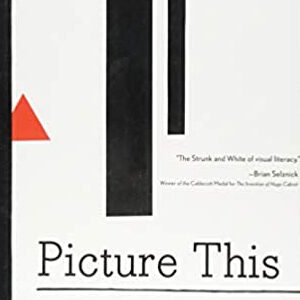
A practical guide to understanding composition and graphic design.

Master the Three Ways: flow, feedback, and continuous learning
Gene Kim et. al. – The DevOps Handbook
Surprisingly valuable, considering the conceptual natureof the material covered.
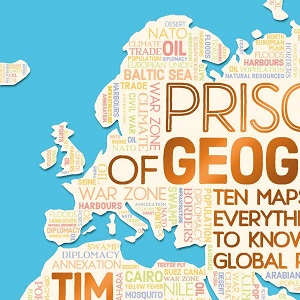
Geography has surprisingly strong explanatory power when it comes to long-term trends in politics and war
Tim Marshall – Prisoners of geography
Insightful perspective that highlights how few options political leaders actually have in responding to external threats.

Back in the day, the Mayas may have captured some Vikings
The year 1000 – Valerie Hansen
Most intriguing where the described ‘globalization’ takes the for of trade – rather than old-fashioned conquest
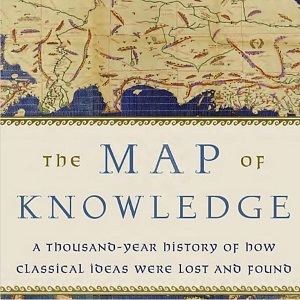
Finding and copying manuscripts used to be a major factor in the preservation, transfer and loss of knowledge
Violet Moller – The Map of knowledge
Well narrated account of how Christian and Muslim scholars traveled the world in search of ancient knowledge and preserved it through diligent copying.
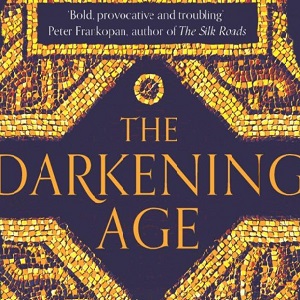
The early Christians were responsible for large-scale destruction of classical culture
Catherine Nixey – The darkering age
If only the book had appeared c. 1700 years earlier it would have been relevant, now it is just a source to tap into for an unhealthy dose of self righteous indignation.
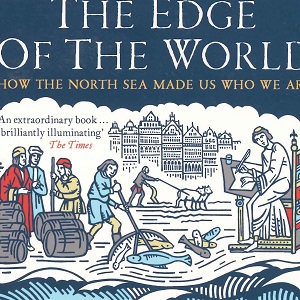
Considering the extent of travel and trade by sea, Medieval Europe was not so dark at all
Michael Pye – the edge of the world
A collection of juicy stories backed by interesting historical facts grounded in documented history and archeological finds.
Don’t estimate probabilities, but ask: ‘What is really going on here?’
John Kay and Mervin King – Radical Uncertainty
Economists should stay away from pseudo-philosophical assertions, in particular when these hinge on misinterpretation of Bayesian methods, use flawed logic, and do not lead to realistic recommendations.
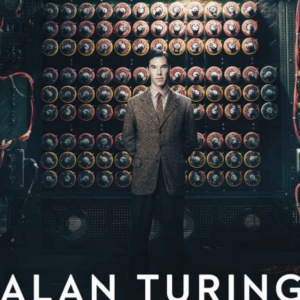
Turing’s suprisingly practical perspective on logic, intelligence, and machines was far ahead of his time
Andrew Hodges – Alan Turing: The imitation game
A quite complete account of the life and death of one of the most fascinating figures of early computing.
Because we fundamentally believe resources can and will be redistributed, we will fall into the trap of always trying to make the overall pie as big as possible
Abhijit V. Banerjee and Esther Duflo – Good economics for hard times
Smart agent-based modelling perspective on global challenges around poverty and sustainability.
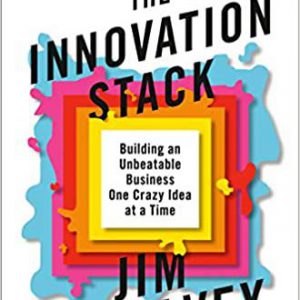
To become successful as a startup founder: copy everything you can and only invent what you must
JimMcKelvey – The innovation stack
The book is exactly what it tries to avoid: being just another entertaining founder story (in this case about Square).

The connection between East and West has shaped the world to a larger extent than generally acknowledged
Peter Frankopan – The Silk Roads
Due to the breadth of the topic, the compelling perspective disintegrates and it ends up as a long parade of interesting facts.

There are some vague connections between decreasing temperatures in the 17th century and historical events
Philipp Blom – Nature’s mutiny
The perspective of the ‘mini ice age’ reduces to little more than including quotes by historical figures on the harsh winters when narrating the events of the time.

To accurately ‘read people’ look for combinations of non-verbal tells
Joe Navarro – What every body is saying
The glossary of non-verbal signals and their meaning makes you aware of the limitations of Zoom, Teams, and Skype, espacially in COVID times.

The ignorance of the Trump administration when it comes to the inner workings of government creates immense risks
Michael Lewis – The Fifth Risk
The book should be mainly read for the anecdotes on female astronauts and nerdy coast guards.
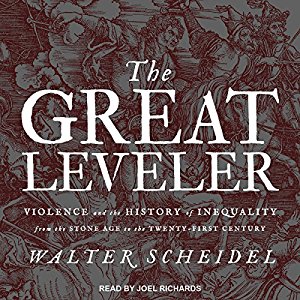
Without massive and violent disruption of the established order, there will be no meaningful redistribution of wealth
The great leveler – Walter Scheidel
Next to revolution (in the spirit of Marx), the book claims there are just three other forces strong enough to achieve leveling: mass warfare, epidemics, and system collapse (the last of which is arguably overlaps with the others).
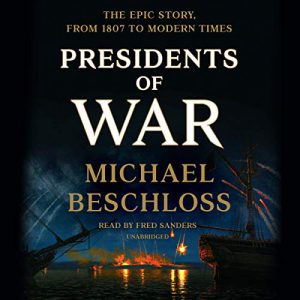
For a democratic leader, waging war is a balancing act between ethics, national interests and electoral impact
Michael Beschloss – Presidents of war
In choosing the personal perspective of the leader, makes the book prone to the narrative fallacy.

The US constitution has always been used as a tool for suppression
The author weaves the perspective of women, slaves, and other disadvantaged grouped into the narrative of US history, making the work part of a bigger movement.
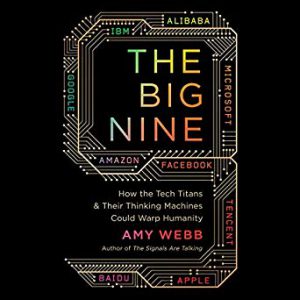
The US is losing out in AI, due to a lack of long-term vision and direction
The book’s set-up with multiple scenarios for the future works surprisingly well and is especiall concerning for European readers: Europe is almost completely irrelevant in all of Webb’s scenarios.

There is a big difference between leaking and wistle blowing
Edward Snowden – Permanent record
Extensive justification of why Snowden exposed the scope of surveillance by the NSA (with too many references to patriotic US heros among Snowden’s ancestors).